
Step by Step Guide:
Overview
1. The interoffice posting account function automates the distribution of the system interoffice clearing account balance into designated asset or liability accounts based on the net interoffice balance between offices.
- Debit balances are allocated to an asset account.
- Credit balances are allocated to a liability account.
This ensures that asset-type accounts do not incorrectly appear as negative amounts on the balance sheet, improving financial accuracy and reporting.
How to Set Up Interoffice Balance Allocation
2. Navigate to ACCOUNTING > General Ledger > General Ledger Accounts.
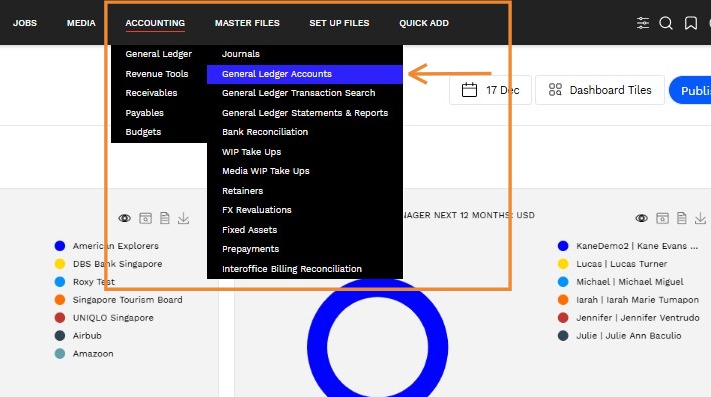
3. Click Posting GL Accounts.
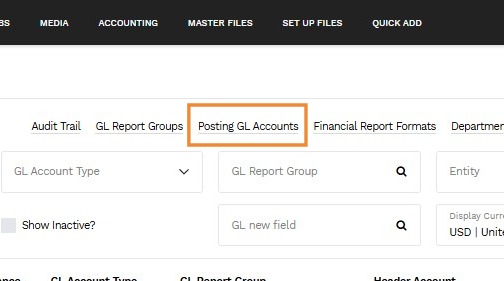
4. Select Interoffice Posting Accounts.
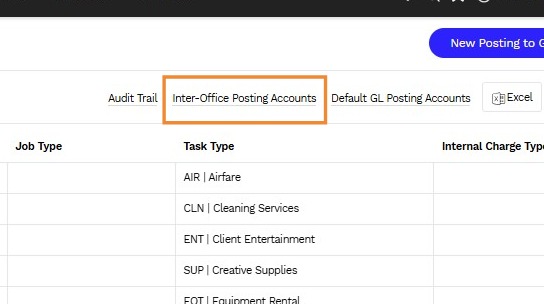
5. Click New Interoffice Posting at the top right.
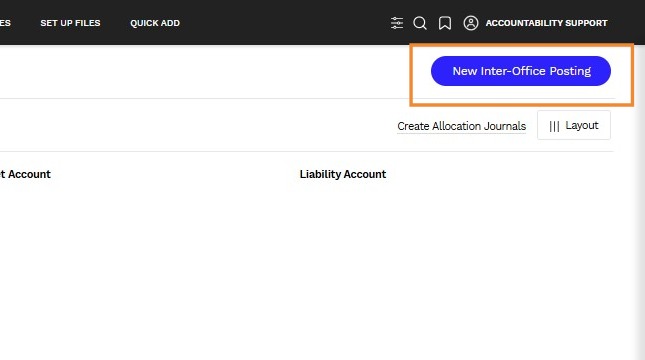
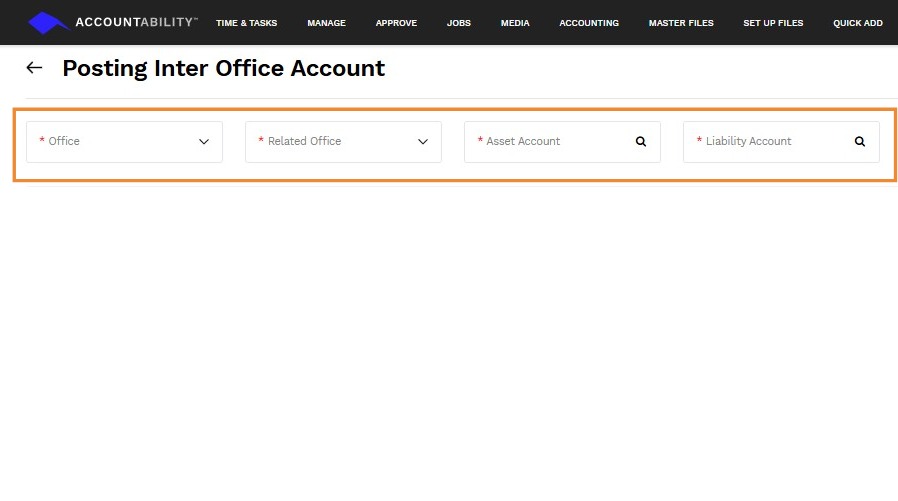
6. Fill in the required fields:
- Office – Select the originating office responsible for the transaction.
- Related Office – Select the corresponding office involved in the transaction.
- Asset Account – Choose the designated asset account where debit balances will be posted.
- Liability Account – Choose the designated liability account where credit balances will be posted.
7. Click Save to apply the changes.
Running the Allocation Process at Month-End
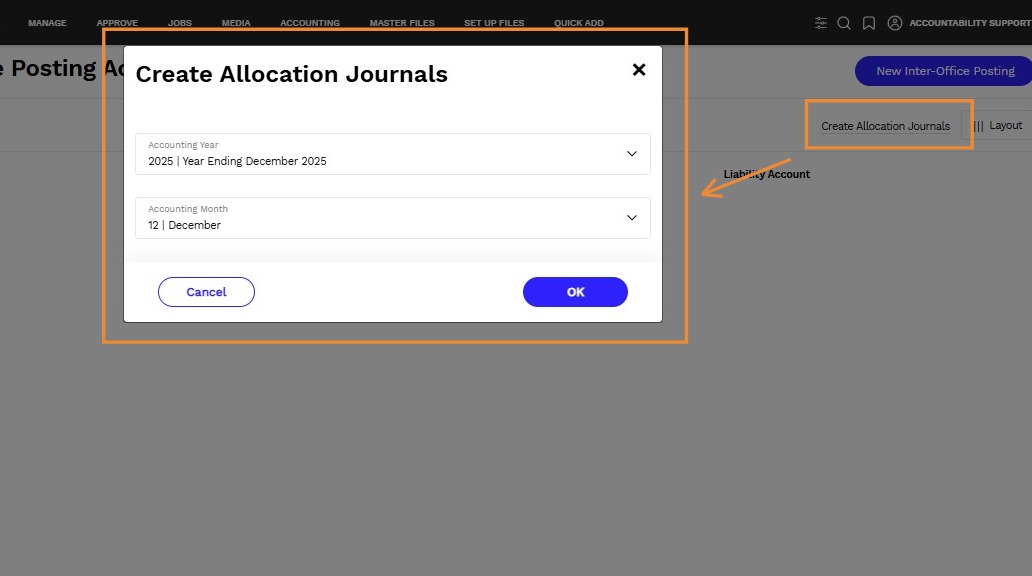
8. Once all month-end transactions and journal entries are complete, finalize the interoffice allocation:
- On the Search Interoffice Posting Accounts page, click Create Allocation Journals.
- The system will:
- Create journals to distribute the interoffice balance to the correct asset and liability accounts.
- Ensure the interoffice clearing account has a zero balance at month-end.
- Reverse these journals in the following accounting month to maintain balance consistency.
Year-End vs. Month-End Processing
9. Some companies choose to run this process only at year-end, while others prefer to do it at every month-end close to keep interoffice balances accurate throughout the year.
Tip: Key Benefits of Automating Interoffice Balance Allocation
- Eliminates manual journal entries, reducing errors.
- Ensures consistency and compliance across multiple offices.
- Prevents negative asset balances from appearing incorrectly on financial statements.
- Saves time by automating interoffice financial reconciliation!